Repairs & Maintenance
Clunking Noise When Driving Over Bumps: Common Suspension Problems
Clunks over bumps commonly involve links, bushes, ball joints, dampers or mounts, but loose exhaust and body parts can sound similar.
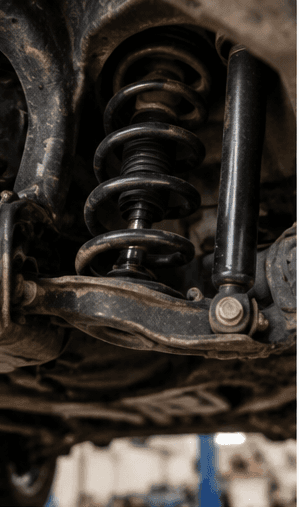
A clunking noise over bumps often comes from suspension joints, bushes, anti-roll-bar links, damper mounts or a damaged spring, but loose exhaust brackets, undertrays and items in the boot can imitate the sound. The noise does not prove one component has failed. If it comes with vague steering, uneven ride height, tyre contact, strong pulling or a wheel that feels unstable, stop driving and arrange recovery.
Why bumps reveal worn parts
Suspension controls wheel movement while isolating the body from road impacts. As a wheel rises and falls, bushes twist, joints change angle, dampers resist movement and springs support weight. Wear can create clearance that closes suddenly with a clunk. Small sharp bumps may excite different parts from large slow undulations.
Note whether one wheel crossing a bump is worse than both wheels crossing together. Listen during braking and turning too. A front-left sound can travel through a subframe and seem central, so location from the driver's seat is only a starting clue.
Anti-roll-bar links and bushes
Drop links connect the anti-roll bar to the suspension and change load rapidly over uneven roads. Worn ball joints in a link can create a light repetitive knock, particularly when left and right wheels move differently. Anti-roll-bar mounting bushes can also allow the bar to shift or contact nearby parts.
Play is not always obvious with the suspension hanging freely. The joint may need to be checked at its normal ride position or with controlled load. Replacing links without confirming movement can leave a similar noise from a bush, mount or steering joint unresolved.
Ball joints and suspension-arm bushes
Ball joints guide the wheel while allowing steering and suspension movement. Bushes locate suspension arms and absorb force. Wear may produce clunks, imprecise steering, braking movement or uneven tyre wear. Severe joint wear can become dangerous because wheel control depends on it.
Cracked rubber does not automatically mean a bush has failed; movement, separation and vehicle-specific limits matter. Conversely, a joint can be unsafe without a dramatic noise. Inspection should check every load direction using appropriate support, never with someone underneath a car held only by a jack.
Dampers, top mounts and springs
A worn damper mount or bearing can knock as suspension or steering moves. A leaking or internally damaged damper may reduce control and allow repeated bouncing. Broken coil-spring ends sometimes hide in their seats and can alter ride height or contact a tyre.
Look from outside for one corner sitting unusually low, a spring end out of position or fluid coating a damper, but keep hands away from compressed springs. Spring energy is dangerous and dismantling needs suitable equipment. Excessive bouncing, tyre contact or a displaced spring means the vehicle should not be driven.
Steering components and subframes
Track-rod ends, inner joints, steering racks and column couplings can knock when wheel loads reverse. Loose or degraded subframe mountings may produce a heavier clunk during braking, setting off or crossing bumps. These faults can also affect alignment and steering feel.
Any new free play, delayed response or change in steering effort is more urgent than noise alone. Avoid high speed and arrange inspection. Alignment cannot correct looseness; worn or loose parts must be addressed first.
Non-suspension noises that sound similar
An exhaust touching the body, a loose heat shield, undertray, battery clamp, spare wheel or tool kit can make convincing clunks. Brake pads or calipers may shift when direction or pedal load changes. Engine mounts can thud as the drivetrain rocks, especially when a bump coincides with acceleration.
Empty loose items from the boot and check that accessible storage panels are secure. Do not tie up an exhaust with improvised materials or crawl beneath the car. A technician can inspect clearances and fixings safely on a lift.
Is it safe to drive?
A quiet, occasional noise with normal steering and ride may allow a gentle trip for inspection, but avoid speed, potholes and heavy loads. Stop for strong pulling, unstable steering, grinding, sudden ride-height change, visible tyre damage, a loose wheel sensation or any component contacting the road.
The absence of a warning light does not make suspension safe. Most mechanical joints have no electronic monitoring. If the clunk began after a pothole or kerb strike, inspect promptly because a wheel, tyre or arm may have been damaged at the same time.
How the source is found
Diagnosis combines a controlled road test with a lift inspection. The technician reproduces the noise, checks wheels and tyres, loads joints in relevant directions and looks for witness marks where parts have contacted. Chassis microphones can help when sound travels and several components look worn.
Ask for the evidence behind the recommendation: measurable play, separated rubber, leakage, a broken spring or confirmed contact. The general car knocking-noise guide can help if the sound also occurs under acceleration or while turning.
Repair and verification
Suspension parts are selected for the exact vehicle and fitted with correct tightening procedures, sometimes at normal ride height. Wheel alignment may then be necessary depending on the component disturbed. A follow-up road test should confirm the original clunk is gone and steering remains centred and predictable.
SOB Autofix can assess knocks and arrange appropriate repairs and maintenance. Describe the side, road surface, steering position and whether braking changes the noise when you enquire.
Frequently asked questions
What is the most common cause of clunking over bumps?
Links and bushes are common, but no single component can be assumed. Mounts, joints, springs, exhaust parts and loose items can produce almost identical sounds.
Will wheel alignment stop a suspension clunk?
No. Alignment changes wheel angles; it does not remove mechanical play. Worn or loose components must be found and repaired before alignment is considered.
Can I check suspension by pushing down on the car?
A bounce check may reveal very poor damping but cannot assess most joints safely or reliably. Correct support and controlled loading are needed for a useful inspection.
Why is the clunk worse in cold weather?
Rubber stiffness, lubricant viscosity and component clearances change with temperature. That clue helps reproduce the noise but does not identify the part by itself.
Related guides and services
Have a suspension clunk checked
A focused road test and mechanical inspection can separate worn suspension parts from loose exhaust, brake or body components.
Request an inspection quoteKeep reading
Related articles
Car Pulling to One Side While Driving or Braking: What Causes It?
Squeaking or Grinding Brakes: When Do Your Brake Pads Need Replacing?