Repairs & Maintenance
Car Pulling to One Side While Driving or Braking: What Causes It?
Pulling can come from tyre pressure, alignment, brakes, suspension or road camber. A strong pull under braking is urgent.
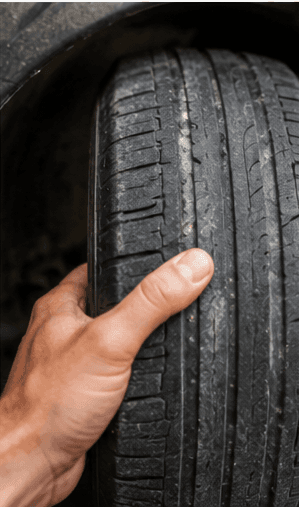
A car can pull to one side because of unequal tyre pressures, tyre damage, alignment, worn suspension or a brake that is binding or working unevenly. Gentle drift on a heavily cambered road is different from a strong pull on a level surface. If the car suddenly changes direction, pulls sharply when braking, has a hot wheel, unstable steering or a damaged tyre, stop and arrange an inspection before driving further.
Pulling all the time versus only when braking
A steady drift while cruising directs attention towards tyres, wheel alignment, ride height and suspension geometry. A pull that appears only as the brake pedal is pressed suggests unequal braking force or movement in suspension joints, though tyres and road surface still affect it. A pull mainly under acceleration can involve driveline torque effects, mounts or suspension geometry.
Choose a safe, level road only if the car is stable and observe rather than deliberately releasing the steering wheel. Record speed, braking pressure and whether the direction changes on another road. Never conduct hard-braking tests in traffic.
Start with tyre pressure and condition
Unequal front tyre pressures can make the car drift. Check them cold against the vehicle placard or handbook and inspect for a visibly soft tyre, sidewall bulge or unusual wear. Tyres with different construction, significant wear differences or internal damage can create a pull even at equal pressure.
Do not inflate to the maximum moulded on the sidewall; that is not the normal vehicle setting. A tyre that repeatedly loses pressure needs professional attention. Do not continue on exposed cords, a bulge or rapid pressure loss.
Wheel alignment and road camber
Alignment describes several wheel angles, not simply whether the steering wheel is centred. Potholes, kerb impacts, worn joints and previous repairs can change geometry. The road itself is normally shaped to drain water, which may create a small leftward tendency in the UK; a pronounced or worsening pull should not be dismissed as camber.
An alignment printout is useful only after tyres, wheel condition and suspension looseness are checked. Adjusting around a worn joint may produce numbers that change as soon as the car moves. The cause of any abnormal angle—damage, ride height or an incorrect component—also matters.
Binding or unequal brakes
A sticking caliper, seized slider, restricted hose or parking-brake mechanism can leave one wheel braking when the pedal is released. The car may pull away from or towards the affected side depending on the condition. Heat, a burning smell, reduced fuel economy and rapid pad wear are clues.
During braking, contamination, hydraulic faults or worn components can make one side produce less force. A low or sinking pedal, fluid leak, red warning, smoke or severe pull means the car is unsafe. Do not touch a hot wheel or pour water on it. Our squeaking and grinding brakes guide covers associated noises and wear signs.
Suspension and steering causes
Worn bushes, ball joints, tie rods, springs and dampers can let a wheel move under load. A broken spring or sagging corner changes geometry, while excess joint play makes direction unpredictable. You might also hear a clunk over bumps or notice feathered tyre wear.
Because steering and suspension are safety-critical, a visual glance is insufficient. Components must be supported and loaded correctly. If the steering wheel suddenly sits off-centre after an impact, or the car wanders and needs constant correction, reduce speed and arrange prompt assessment.
Can wheel or hub problems cause a pull?
A bent wheel, damaged tyre, bearing play or hub issue can affect how the car tracks. These may also produce humming or vibration that changes with speed. A bearing should not be diagnosed from a hum alone because tyre tread can sound similar.
After a wheel has been removed, incorrect seating or tightening can create serious risk. A suspected loose wheel, rhythmic wobble or sudden vibration requires an immediate safe stop and recovery.
What you can check safely
Compare cold tyre pressures, inspect visible tread and sidewalls, remove unusually heavy loose cargo and note whether the problem follows a pothole, tyre replacement or repair. Look for dashboard brake or stability warnings. After a very short gentle movement, a strong burning smell or obvious heat from one corner is a stop signal; do not put your hand on the wheel.
Avoid swapping wheels or adjusting track rods as a diagnostic shortcut unless you have the competence and correct equipment. Modern driver-assistance systems may also require steering-angle or camera calibration after geometry changes.
How a technician diagnoses pulling
The inspection starts with tyres and pressures, then wheel condition, bearings, brakes, steering and suspension. Brake temperatures and forces may be compared, and alignment measured only when the mechanical foundation is sound. A road test confirms the complaint and verifies the repair.
The result should explain both the direction and the conditions. For example, a left pull under braking supported by unequal pad wear and a restricted slider is different from a constant left drift supported by tyre conicity. Evidence avoids paying for alignment when the real problem is a brake or tyre.
SOB Autofix offers brake repair and broader repairs and maintenance in Doncaster. Describe whether the pull is constant, braking-related or acceleration-related so the right checks can be planned.
Frequently asked questions
Why does my car pull left on some roads but not others?
Road camber can create gentle drift, but pressure, tyres and alignment also matter. A strong or increasing pull on level roads should be inspected.
Does pulling always mean the alignment is wrong?
No. Tyres, binding brakes, worn suspension and wheel damage can all cause it. These need checking before alignment adjustment.
Why does the car pull only when I brake?
Unequal brake force or suspension movement under load are key possibilities. Because braking balance is safety-critical, arrange prompt inspection rather than compensating at the steering wheel.
Can low tyre pressure make steering pull?
Yes. Unequal pressure changes rolling resistance and tyre shape. Correct cold pressures, then investigate any tyre that loses pressure again.
Related guides and services
Does your car pull left or right?
Arrange tyre, brake, steering and suspension checks before paying for an alignment that may not address the cause.
Book a vehicle checkKeep reading
Related articles
Squeaking or Grinding Brakes: When Do Your Brake Pads Need Replacing?
Car Shaking or Vibrating When Driving: What Could Be Wrong?