Repairs & Maintenance
Squeaking or Grinding Brakes: When Do Your Brake Pads Need Replacing?
Brake squeal can have several causes, but grinding, poor stopping, pulling or an abnormal pedal needs urgent inspection.
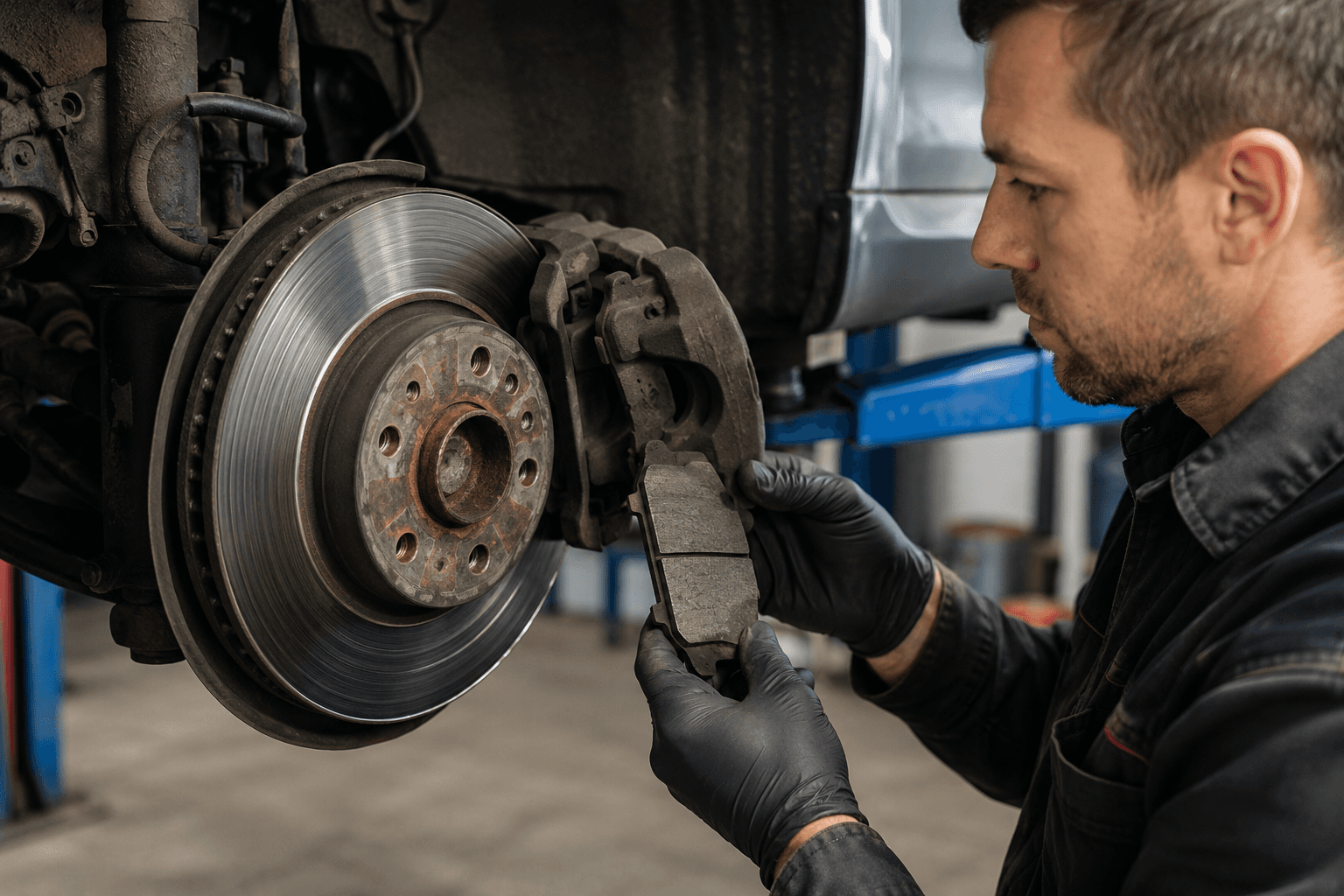
Squeaking brakes do not always mean the pads are worn out, but grinding can mean the friction material is exhausted and metal is contacting the disc. Pad wear indicators, glazing, contamination, corrosion and trapped debris can all create noise. If braking performance has reduced, the pedal feels abnormal, the car pulls strongly, a warning stays on or you hear continuous grinding, stop using the vehicle and arrange a brake inspection.
What brake-pad wear sounds like
Some pads have a metal acoustic indicator designed to squeal when the material reaches a set thickness. Vehicles with electronic wear sensors may show a dashboard message instead. A rough grinding sound can occur when the pad backing contacts the disc, but stones, shields and severely corroded surfaces can create similar noises.
Sound alone cannot measure remaining material. Inner and outer pads may wear at different rates, and the least visible inner pad can be the thinnest. Inspection should measure all relevant pads and discs and establish whether a sticking slider, piston or hose caused uneven wear.
Why brakes can squeak with usable pads
High-frequency vibration between the pad, caliper and disc can produce squeal. Surface corrosion after rain or overnight parking may cause brief noise that clears after a few gentle applications. Glazed material, unsuitable compounds, missing hardware, contamination or uneven surfaces can make noise persist.
Do not apply lubricants or sprays to a brake's friction surfaces. Products used on specific contact points must be suitable for the braking system and applied sparingly after dismantling by someone competent. Contaminated pads often require replacement and the source of fluid or grease must be fixed.
Grinding needs prompt attention
Grinding that occurs whenever the pedal is pressed may indicate exhausted pads, damaged discs or debris. Continued use can reduce braking and increase the repair required. A constant scrape while moving may involve a shield, stone, bearing or binding brake, but it still needs inspection.
If the vehicle struggles to stop, the pedal sinks, a red brake warning remains on, fluid is visible or one wheel smokes, do not drive it. Move to safety only if this can be done without relying on compromised brakes, then arrange recovery.
Other signs your brake pads may need replacement
- A wear warning or manufacturer-specific service message.
- Measured pad material at or below the vehicle maker's limit.
- Longer stopping distance or a change in pedal response.
- Vibration, pulling or heat caused by a sticking or unevenly working brake.
- Deep scoring or excessive wear on the disc alongside thin pads.
No universal mileage tells you when pads will wear out. Vehicle weight, traffic, hills, driving style, corrosion and caliper condition all affect life. An inspection and measurement are more useful than comparing your mileage with another car.
Pulling, vibration and heat
A car that pulls during braking may have unequal brake force, a binding caliper, tyre or suspension issues, or an alignment problem. The guide to a car pulling to one side explains how those systems overlap. A pulsing pedal or steering shake can involve disc-thickness variation, run-out, deposits or worn suspension.
A hot smell or one wheel radiating much more heat than the others can signal a binding brake. Do not touch the wheel or pour water on it. Stop and let the system cool naturally, then arrange assistance; driving can overheat the fluid, bearing and nearby components.
Can you drive with squeaking brakes?
Brief light squeal after wet weather may clear, but persistent or changing noise should be inspected. Drive no farther than necessary when braking remains normal and there are no warnings, pulling, vibration or heat. Grinding, reduced performance or an abnormal pedal makes recovery the responsible choice.
Test braking only at low speed in a safe place if needed to decide whether the vehicle can be moved out of danger. Do not perform repeated hard stops to clean the discs, because this can worsen heat and damage.
What a brake inspection should include
A proper check considers pad thickness on both sides, disc condition and measurements, caliper movement, pistons, hoses, fluid leaks, wheel bearings and the operation of wear sensors. Rear parking-brake mechanisms may also affect wear. Findings should explain whether parts are below limits, damaged or likely to remain serviceable.
Replacing pads on one side only is not normal practice because braking must remain balanced across an axle. New pads also need suitable disc surfaces and correct installation. Where discs are below thickness or badly damaged, pads alone may not produce safe, durable braking.
After pads or discs are replaced
The pedal should be made firm before moving the car, fluid level checked and the system verified for leaks and balanced operation. New friction surfaces may need a controlled bedding procedure specified by the parts or vehicle manufacturer. Avoid assuming maximum performance is available immediately.
SOB Autofix provides brake repair in Doncaster, starting with an inspection rather than a diagnosis from noise alone. If you are unsure whether the vehicle is safe to bring in, describe the pedal, warning lights, heat and sound when requesting a quote.
Frequently asked questions
How long can I drive once brakes start grinding?
Do not plan further driving. Grinding may indicate metal contact and compromised braking. Stop safely and arrange inspection or recovery before more damage occurs.
Can new brake pads squeak?
Yes. Bedding, pad compound, fitting hardware, contamination and disc condition can cause noise. Persistent squeal should be checked to confirm correct installation and operation.
Do brake pads wear evenly?
Not always. Inner and outer pads can differ, especially when sliders or pistons stick. All pads on the axle should be inspected rather than judging from the easiest one to see.
Does a brake warning always mean worn pads?
No. Depending on the car it can indicate wear, low fluid, parking-brake status, hydraulic trouble or an electronic fault. Consult the handbook and arrange checks promptly.
Related guides and services
Do your brakes sound or feel different?
Arrange a brake inspection before worn or binding components affect stopping performance or damage other parts.
Book a brake inspectionKeep reading
Related articles
Car Pulling to One Side While Driving or Braking: What Causes It?

Car Shaking or Vibrating When Driving: What Could Be Wrong?