Diagnostics
DPF Warning Light On? What UK Diesel Drivers Need to Know
A DPF light means soot loading or regeneration needs attention, but sensor and engine faults must be ruled out before forced regeneration.
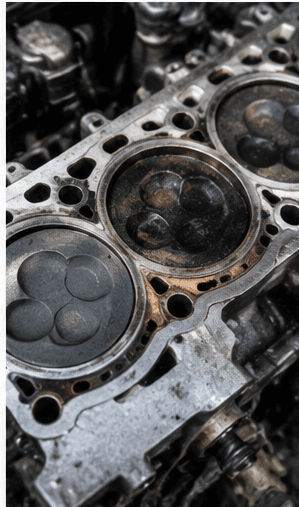
A diesel particulate filter warning means the system has detected soot loading or a regeneration problem. If the handbook permits and there are no other warnings, normal temperature, adequate fuel and normal performance, a steady drive may allow an automatic regeneration. A flashing light, limp mode, red warning, overheating, low oil pressure, heavy smoke or rising oil level requires diagnosis rather than a harder drive. A blocked filter is often the result of another fault, not the complete cause.
What the DPF does
The filter traps soot from diesel exhaust and periodically burns it into a smaller quantity of ash. Passive regeneration occurs when exhaust temperature is naturally high enough; active regeneration uses engine controls to raise temperature. Ash does not burn away and eventually requires appropriate servicing or replacement.
Pressure and temperature sensors help the control unit estimate loading. A split hose, biased sensor or wiring fault can produce a warning even when physical soot loading is not the only issue. Measured pressure and regeneration history matter.
Why regeneration may not complete
Repeated short, cold journeys can interrupt active regeneration. Low fuel level, cooling-system faults that prevent normal temperature, glow-system faults, engine warning codes or unsafe oil condition may also inhibit it. Boost leaks, injector problems and exhaust recirculation faults can create excessive soot faster than regeneration removes it.
That is why clearing the light or cleaning the filter without checking engine operation can lead to a rapid repeat. A full scan should identify blocking conditions and related engine faults.
Can a motorway drive clear the light?
Follow the exact vehicle handbook. Some manufacturers advise a sustained drive at a specified speed or engine range for an initial steady warning. Choose a legal, safe route and never hold a lower gear or high speed solely to create heat beyond those instructions.
Do not attempt a regeneration drive if the warning flashes, the car is in limp mode, temperature is abnormal, oil is above maximum, fuel is very low or another serious warning is present. If the light does not clear after the permitted attempt, book DPF diagnostics.
Signs a regeneration is happening
The idle may be slightly higher, cooling fans may run, fuel consumption can rise and the exhaust may smell hotter. Stop-start may be unavailable. These signs vary and should not distract from driving. If practical and safe, avoiding shutdown for a few minutes can allow completion, but never leave a running vehicle unattended or in an enclosed space.
Extreme heat around the exhaust is normal during regeneration. Do not park over dry grass or combustible material. Smoke, harsh running or a temperature warning is not a normal event to ignore.
Oil level matters
Interrupted regeneration can allow fuel to dilute engine oil on some vehicles, raising its level and reducing lubrication quality. If oil is above the maximum mark or smells strongly of fuel, do not initiate a forced drive. Arrange assessment and follow manufacturer requirements for oil replacement.
Low oil pressure or very low oil level is also an immediate stop condition. The DPF warning never takes priority over engine lubrication safety.
Forced regeneration is not always appropriate
A workshop regeneration deliberately creates high exhaust temperatures. It should be performed only after checking soot estimate, ash load, pressure readings, oil condition, sensor plausibility and faults that could make the process unsafe. A filter loaded beyond limits or contaminated with oil or coolant may need removal or replacement instead.
Resetting learned DPF values without completing the specified repair can make monitoring inaccurate. Any replacement or professional cleaning must be recorded in the control system according to vehicle requirements.
Symptoms of a restricted DPF
Reduced power, poor acceleration, increased fuel use, frequent fan operation and limp mode can accompany restriction. These symptoms also occur with boost, fuel and sensor faults. The limp-mode guide explains why the protection strategy does not name the failed part.
Heavy black smoke on a DPF-equipped vehicle suggests the system is not controlling soot as intended or there is an upstream fault. Avoid continued driving that may damage the filter or catalyst.
How diagnosis prevents recurrence
A technician reads soot and ash estimates, differential pressure at controlled flow, temperature sensors, regeneration history and engine faults. Hoses and wiring are inspected, and engine temperature, boost, airflow and fuelling are checked when relevant. The outcome may be a safe regeneration, sensor or hose repair, correction of an engine fault, professional cleaning or replacement.
SOB Autofix provides DPF diagnostics in Doncaster. The aim is to restore the system and address why loading developed, rather than sell an unnecessary filter or clear a warning that will return.
Reducing future DPF trouble
Use the correct low-ash oil, maintain the engine, respond to warning lights promptly and include longer fully warmed journeys where this suits the vehicle's use. If a diesel is consistently used only for short trips, discuss whether its operating pattern is compatible with reliable regeneration. Driving style cannot compensate for a sensor, injector or cooling fault.
Frequently asked questions
Can I drive with the DPF light on?
A handbook-approved steady drive may be suitable for an initial steady light with no other symptoms. Flashing warnings, limp mode, abnormal temperature or oil level require diagnosis.
How long does DPF regeneration take?
It varies by vehicle, loading and conditions. Follow the handbook rather than a universal time, and seek diagnostics if the warning remains.
Will cleaning a DPF solve the problem permanently?
Only if the filter condition is the cause and upstream faults are resolved. Boost, sensor, injector and temperature problems can quickly load it again.
Why is my engine oil level rising?
On some diesels, interrupted regeneration can dilute oil with fuel. Do not attempt another forced drive above the maximum level; arrange assessment.
Related guides and services
DPF warning not clearing?
Check loading, pressure sensors and the engine conditions required for safe regeneration before forcing more heat through the filter.
Book DPF diagnosticsKeep reading
Related articles
Car Electrical Problems: 10 Signs You Should Get Your Vehicle Diagnosed