Diagnostics
Why Has My Car Gone Into Limp Mode?
Limp mode limits performance when the car detects a potentially harmful or unreliable condition. Restarting may hide it, but diagnosis is still needed.
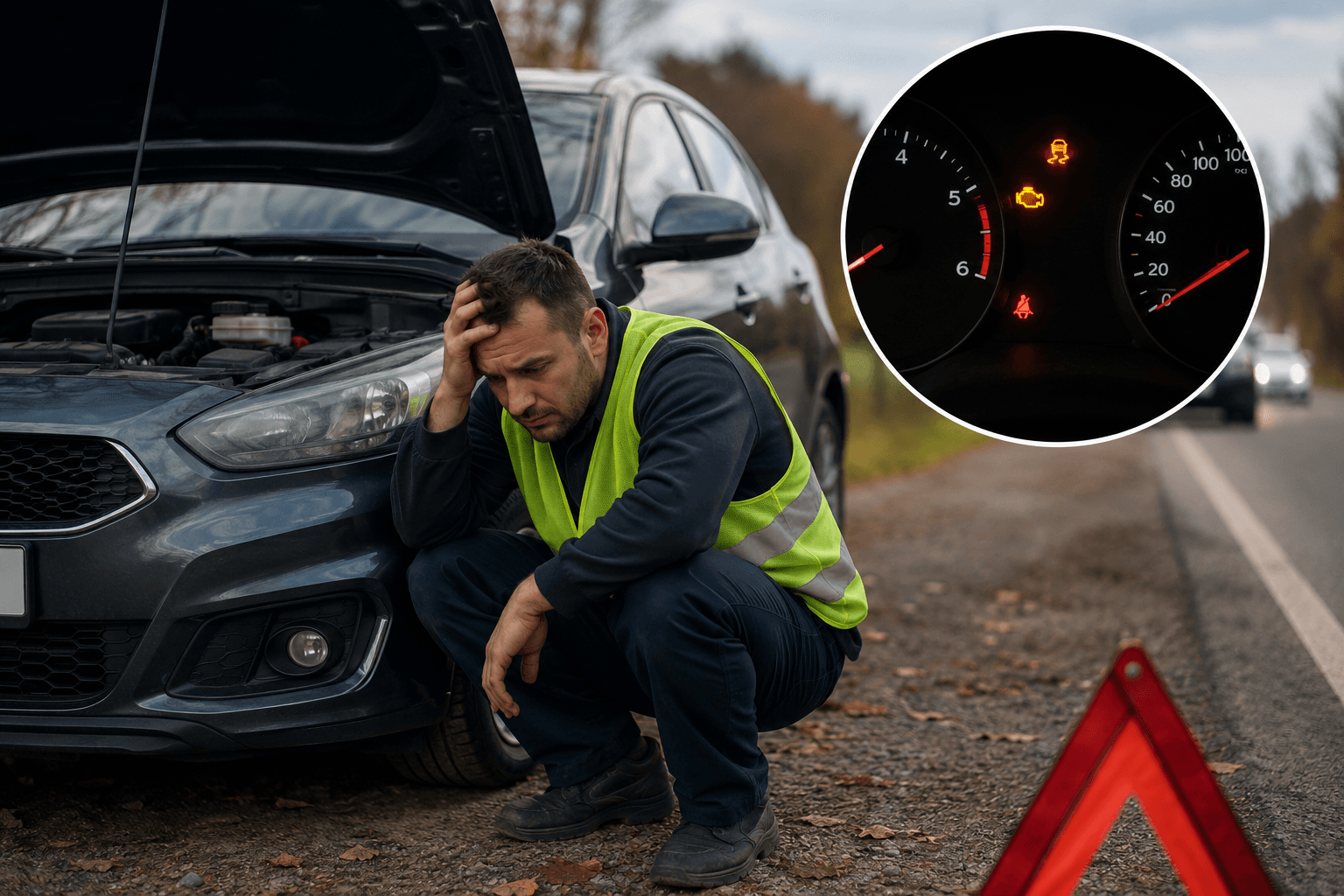
Limp mode is a protective operating strategy that limits engine power, turbo boost, engine speed or transmission operation after the car detects a serious or unreliable condition. It is not a specific broken part. Common triggers include boost-control faults, implausible sensor readings, overheating, fuel-pressure problems, misfires, emissions-system faults and gearbox errors. A restart may restore normal performance temporarily, but the stored fault and underlying risk remain.
How limp mode feels
The accelerator may respond slowly, engine speed may be capped, an automatic gearbox may stay in one gear, or turbocharged performance may disappear. A warning light or “reduced power” message often appears. Some faults create a soft restriction that still allows careful movement; others put a transmission into a fixed emergency gear with a noticeable jolt.
Do not assume every sluggish car is in limp mode. A blocked air path, slipping clutch, weak fuel supply or mechanical fault can reduce performance without the control unit commanding a limit. Diagnosis should confirm whether requested torque or gear operation has been restricted and why.
Why the car protects itself
Modern control modules compare sensor signals and operating models. If boost pressure exceeds a safe target, coolant temperature is excessive or a throttle signal disagrees with another position sensor, the system may choose a conservative value. Restricting output can reduce the chance of engine, exhaust or transmission damage and gives the driver an opportunity to reach safety.
Protection does not mean continued driving is always safe. The strategy cannot compensate for low oil pressure, severe overheating, a loose wheel or failing brakes. Read every warning, consider how the car feels and follow the handbook's stop instructions.
Common engine-related triggers
- Turbo underboost or overboost caused by leaks, control faults, actuator problems or restricted flow.
- Airflow, manifold-pressure, throttle or pedal signals that are missing or implausible.
- Fuel pressure outside the requested range, injector-control trouble or an active misfire.
- Excessive temperature, cooling-system faults or a sensor reporting an unsafe value.
- Diesel particulate-filter pressure or regeneration faults and other emissions problems.
Each code describes what the module observed, not necessarily the failed component. An underboost code can come from a split hose, vacuum fault, sensor bias, control solenoid, sticking mechanism or turbo damage. Testing requested and actual values prevents an expensive guess.
Transmission limp mode
Automatic and automated gearboxes may select a single forward gear to limit clutch slip and hydraulic damage. Causes range from low or degraded fluid and speed-sensor faults to solenoids, wiring, control units or internal wear. A low-voltage event can also create multiple communication and transmission codes.
If engagement is harsh, the gearbox slips, a burning smell appears or drive is lost, stop and arrange recovery. Do not repeatedly select Drive and Reverse in an attempt to force normal operation. Correct fluid-level procedures vary and may depend on temperature, so topping up without the right specification and process can cause further trouble.
Can you drive in limp mode?
Only move the car as far as needed to reach a safe place when the warning is amber, temperatures and oil pressure are normal, there is no heavy smoke or severe noise, and the vehicle can keep up safely. Avoid motorways, towing, hard acceleration and steep loads. Recovery is the better choice when power is too limited for traffic, a red warning appears, the engine shakes badly or the transmission behaves harshly.
Turning the ignition off and on is not a repair. It can reset a temporary restriction until the fault conditions return, sometimes during overtaking or joining traffic. If a restart restores power, use that information for diagnosis and arrange a check before relying on the vehicle.
What to record before diagnosis
Photograph the warning message, note the fuel level, engine temperature, speed and weather, and describe what you were doing when the limit began. Mention recent battery trouble, repairs or refuelling. Do not erase codes with an app: freeze-frame data can show pressure, temperature and load at the first failure.
Check oil and coolant only when parked safely and the engine is cold. A visibly detached intake hose may be relevant, but avoid reaching into the engine bay while it is hot or running. Never open a hot cooling system.
How limp-mode diagnosis works
A full-system scan can reveal which module requested the restriction and whether communication or voltage faults are involved. The technician then uses live data and physical tests suited to the code: pressure or smoke testing for boost leaks, circuit checks for sensor signals, fuel-pressure measurement or cooling-system assessment. Historical codes need to be separated from the active cause.
This process also looks for connected faults. A low supply voltage can make several modules report unrelated errors; a boost leak can increase soot loading; a misfire can trigger catalyst-protection strategies. Our guide to power loss under acceleration explains these overlaps.
Preventing a repeat
Once the tested cause is repaired, codes should be cleared and the car verified under the conditions that originally triggered the restriction. That may require a careful road test and confirmation that commanded and measured values agree. Simply clearing the dashboard without verification risks an unexpected return.
SOB Autofix offers vehicle diagnostics and electrical fault finding in Doncaster. The useful outcome is a supported repair plan: what the system detected, which test confirmed the cause and what must be repaired before full performance can be trusted again.
Frequently asked questions
Does limp mode mean the engine is ruined?
No. It means a control system has detected a condition that justifies limiting operation. Causes range from a disconnected hose or low voltage to faults needing substantial repair.
Can low battery voltage cause limp mode?
Yes. Unstable voltage can disrupt sensors and module communication, producing several warnings. The battery and charging system should be tested alongside active fault codes.
Why did limp mode disappear after restarting?
Some modules allow normal operation until the fault is detected again. The restart changes the state, not the cause, so stored codes and freeze-frame data remain important.
How is limp mode cleared properly?
The underlying fault is confirmed and repaired, codes are cleared, and the vehicle is tested under the original conditions. Clearing codes alone is not a lasting solution.
Related guides and services
Get reduced performance diagnosed
Book a full-system scan and targeted testing to identify why the vehicle restricted power or transmission operation.
Book vehicle diagnosticsKeep reading
Related articles
Car Electrical Problems: 10 Signs You Should Get Your Vehicle Diagnosed